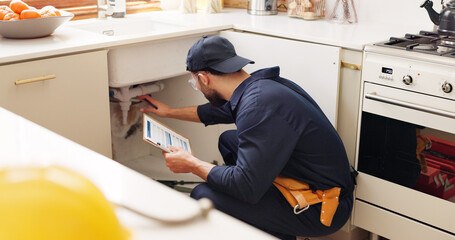
Unexpected home repair emergencies can put a huge strain on homeowners. The key is to prepare — start saving immediately, know what your insurance covers, and be aware of disaster relief programs.
Keep a list of emergency contacts, including plumbers, electricians, and HVAC technicians. Familiarize yourself with your home’s systems, including where the gas and water shut-off valves are located, so you can act quickly in a crisis. Contact B&K Enterprises for more information.
1. Evacuate the Area
When unexpected home repairs occur, it is important to keep calm and assess the situation as quickly as possible. Emergency situations like flooding, burst pipes, gas leaks and structural damage can cause serious danger if not dealt with promptly. This is why establishing quick protocols is critical in reducing property damage and minimizing disruption for tenants. The first step is to evacuate the area. This can be done by identifying safe locations outside the property or neighborhood, including family or friends. In addition, it is a good idea to have a “go bag” ready for each household member in case of evacuation, which includes food, water, clothing and medicine.
Shutting off utilities is another key step in reducing the impact of an emergency. For example, if there is a leak or flood, you can stop the flow of water by shutting off the main water valve and then calling a plumber. You should also shut off power to the affected area if you think it could be unsafe. In the event of a gas leak, you should immediately evacuate the area and call the emergency services.
Once you have evacuated the area, the next step is to assess the damage and identify what caused the emergency. For example, if there is storm damage, you can use buckets or tarps to catch leaks and prevent further flooding. It is also helpful to document the damage for insurance purposes.
Many unexpected home repair emergencies can be avoided with a regular maintenance schedule. For example, monthly, you should test smoke detectors and inspect faucets for leaks. Quarterly, you should clean HVAC filters and inspect roof shingles. And annually, you should have a professional service your heating and cooling systems.
Preparing for disasters is a necessity for all homeowners and landlords. By knowing what to do in an emergency, you can minimize damage, protect your tenants’ safety and limit out-of-pocket expenses. Remember that prevention is always cheaper and safer than fixing damage after it happens. So start saving now, understand your home insurance policy and know when to seek out disaster relief programs.
2. Shut Off Utilities
From water leaks to broken appliances, emergency home repair expenses never come at a convenient time. While it’s impossible to predict these financial dings, taking steps to prepare for them can help reduce long-term damage and stress.
The first step in managing emergency home repairs is to shut off the source of the problem if possible. For example, if your roof has been damaged by heavy rain, shutting off the main water valve can prevent flooding and save thousands of dollars in repair costs. Similarly, if you have a faulty electrical issue, such as flickering lights or burning odors, shutting off power at the breaker panel is the best way to ensure safety and avoid further damage.
It’s also a good idea to keep a list of local plumbers, electricians and HVAC technicians on hand in case of an emergency. Keep their contact information in a handy place, such as on your refrigerator or in your smartphone contacts, and research their credentials, reviews and availability to ensure you can get help quickly. You should also prepare a kit with supplies to contain damage until emergency repair services arrive, such as buckets to catch dripping water and fans to encourage air flow.
3. Call for Help
Whether it’s a burst pipe flooding your home or an electrical outage threatening to cause fire hazards, the first step in any emergency is calling for help. A trusted emergency handyman can offer advice, support, and solutions, transforming an unforeseen situation into one you can manage effectively.
While you wait for professional assistance, take temporary steps to protect the property and limit damage. This includes using buckets or towels to contain leaks, covering exposed roof sections during rain storms, and shutting off affected systems like water heaters and furnaces during power surges. By addressing issues quickly and taking action to prevent further damage, you’ll minimize losses and save time and money until the professionals arrive.
Once the professionals are on the way, it’s important to document the damage and its cause for future reference. If you can, use photos and videos to show the extent of the damage and help the repair process run smoothly. It’s also a good idea to ask your handyman for an estimate before starting the work, including labor and materials costs.
If you’re a homeowner, it’s always a good idea to set aside a small amount of each paycheck into an emergency home repairs fund. Ideally, this emergency fund should cover three to six months of your living expenses so that you’re well prepared in the event of a disaster. If you don’t have this savings on hand, try to start by saving up 1% of your house value, and gradually increase the amount over time.
Landlords are also responsible for addressing emergency repairs, and the best way to do this is by staying ahead of problems with regular maintenance. This includes cleaning gutters, inspecting the roof regularly for leaks, and scheduling seasonal heating system checks. Landlords can avoid disputes with tenants and fines from regulatory agencies by tackling these tasks proactively.
For renters, it’s also worth researching local emergency home repair services. Look for a reliable handyman that’s licensed and insured, with reviews and recommendations from past clients. You should be able to find an affordable option by comparing prices, services offered, and customer satisfaction ratings. It’s also a great idea to invest in preventive maintenance to reduce the risk of emergencies in the first place.
4. Document the Damage
Documenting damage from a disaster is a critical step in the insurance claim process, and it can save you money on repairs. Be sure to take photos of all affected areas, including both structural and personal property damage. If possible, use a measuring tape in the pictures to provide scale. Detailed documentation also helps ensure that your insurance company is giving you an accurate and complete estimate of your losses.
It’s best to document the damage as soon as it’s safe to enter your home, ideally within 24 hours of the disaster occurring. This prevents new damage from being confused with initial damage and shows that you took prompt action. It’s also important to note any safety hazards, such as downed power lines or unstable structures.
Make sure to take a variety of pictures from different angles and close-ups of specific damaged items. Be sure to include serial numbers, model numbers and brand names for all appliances and large pieces of furniture, and record any other information that will help identify and quantify your loss. If you’re able to, take photos of damaged areas before and after cleaning or making any repairs. This can help your insurance adjuster see how much damage was caused by the event and what the costs will be for replacement or repair.
If you have a video camera, consider recording a walkthrough of the damaged area with clear narration. This can provide additional context that photos can’t capture, and it can be particularly helpful when discussing damage to areas inaccessible or sealed off due to safety concerns (e.g., flooded basements or broken windows). It’s also a good idea to keep receipts for any emergency repairs, such as tarping a roof or boarding up windows, as these expenses may be reimbursable under your homeowners insurance policy.
When you’re in the midst of an emergency home repair, you need to stay calm and act quickly to reduce damage and protect your family’s safety. By following these tips, you’ll be able to better prepare for unexpected events and handle them like a pro.