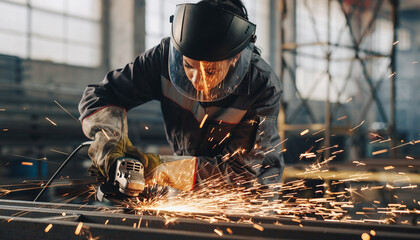
Structural steel fabrication focuses on structural support and durability. It relies on precise cutting and welding techniques to ensure that components meet strength requirements.
However, architects and engineers also rely on metal work to create innovative design features. They want their structures to be strong and visually striking. Fortunately, architectural and structural steel fabrication can be integrated to achieve both. Contact Architectural Metal Works for more information.
Strength
Structural metal fabrication is a process that converts raw steel into functional components and structures for homes, buildings, and commercial spaces. It is used to give shape to design inspirations and possibilities, transforming residential and commercial spaces into sleek, modern masterpieces. Metal fabrication is a versatile process that allows designers and architects to bend, twist, and curve metal into bold, innovative designs.
Whether you are building a bridge, a transmission tower, or a large-scale steel construction, it is important to choose the right material for your project. Structural steel is the primary choice for projects that require high loads, long spans, and structural integrity. It can withstand earthquakes and extreme weather, and is often designed to be fire resistant.
On the other hand, architectural metal works focuses on aesthetics and details. It is often fabricated from stainless steel, which is known for its durability and resistance to corrosion. It is also a popular choice for railings and other decorative elements. It can also help to control temperature and light in a space.
As the world becomes more dependent on technology, many architects and fabricators are exploring new ways to make the most of metal in their buildings. For example, architects are using metal to create sleek, modern facades, and other designers are incorporating it into interior features like custom fixtures and furniture.
In addition to its strength and versatility, steel is an excellent choice for building facades because it can be curved into a variety of shapes. Architects can also use it to create unique shapes for a structure’s roof, and it can even be bent into a curved shape that helps reduce thermal bridging and improve energy efficiency.
Durability
Metal is one of the most durable materials available in construction. It can withstand heavy loads, weather conditions, and corrosion, making it ideal for load-bearing structures. Moreover, its versatility allows architects and fabricators to create bold, innovative designs that blend form and function. Metal is also environmentally friendly, as it can be recycled to make new materials rather than relying on raw materials that need to be extracted from the earth.
Structural steel fabrication focuses on the building framework of large-scale structures like skyscrapers, bridges, and towers. This process requires extensive planning and collaboration between the engineer, architect, and fabricator. The structural integrity of the final product is critical, and the fabricator must ensure that all components are aligned and welded correctly. In addition, the fabrication process must consider the building’s environment and usage to avoid unexpected maintenance costs.
However, the scope of architectural metal fabrication is much broader than structural steel. This involves incorporating metal in decorative elements such as railings and facades. This process is much more intricate, and a slight flaw in the welding or finish can compromise the aesthetic of the structure. It’s important for engineers and architects to work with a fabricator who can interpret their vision and execute it with fidelity.
Structural steel is a vital component of modern architecture, but it’s not always the best option for every project. For example, if a structure has low-load bearing capabilities and long spans, a more economical wood or concrete build may be more cost-effective. However, if the project requires steel construction for a high-rise building or long-span bridge, it’s important to choose a fabricator with specialized knowledge of these structures.
Appearance
Unlike industrial metal fabrication, which focuses on performance and durability, architectural metal works emphasizes aesthetics and visual appeal. Its uses include cladding, railings, and facades for modern steel constructions and high-rise buildings. The right choice of metals is critical for achieving the desired look. For example, copper is a good option for exterior panels because it resists corrosion and complements other construction materials. Stainless steel is also a popular choice because it resists corrosion and is durable enough for high-rise building facades and interior applications.
It’s crucial to choose a fabricator with the right expertise for your project. Structural metal fabricators specialize in large components like steel frames for buildings and bridges, so they need to have the right tools to handle massive parts and structures. General metal fabricators are more versatile, and they can work with a wider range of materials. They’re also better suited for smaller, custom projects, such as decorative metal panels or office fixtures.
When choosing a metal fabricator, it’s important to consider their reputation and customer service. Check online reviews to see how satisfied previous customers were with their work. If there are complaints, pay special attention to how the fabricator addressed them. This shows how committed they are to delivering quality results.
Some people assume that any fabricator can do structural or architectural work, but this isn’t the case. Choosing the right fabricator can save you time, money, and frustration. Industrial fabricators rely on heavy-duty steel and are primarily concerned with strength and stability. On the other hand, architectural metal fabricators use a variety of specialized tools to create unique design elements. They can turn steel into a stunning storefront or a contemporary office.
Aesthetics
In architectural projects, metal is incorporated as both a structural and decorative element. For example, metal roofs and exterior cladding not only offer durability and protection, but they also add a sleek, modern aesthetic to buildings. The same is true for the many decorative metal elements found throughout businesses, including custom fixtures, signage, and sculptures. In fact, the entire experience of a business can be transformed by just a few well-placed design features.
Unlike industrial projects, where engineers or structural specialists often lead, designers or architects drive the vision in architectural work. They specify textures, finishes, materials, and how the metal interacts with wood or stone. A skilled architectural metal fabricator understands how to bring this vision to life with precision and foresight. This is why it’s essential to begin metal fabrication early in the project. The later it begins, the more likely rushed decisions or compromises will be made that affect the finished product.
The right type of metal is crucial for architectural projects, as it can play a role in everything from structural integrity to energy efficiency. For example, steel is a popular choice for its strength, while aluminum and copper provide flexibility in terms of design and color. In addition to their durability and lustrous appearance, these metals are also lightweight, which makes them ideal for various construction projects.
While some architectural designs may seem whimsical or decorative, they serve a vital purpose in the overall structure. The Guggenheim Museum’s titanium facade, for example, serves to protect the building while adding visual appeal. Similarly, the railings at Utah State University’s Maverik Stadium are a combination of support and finish metal—with the structural steel railing acting as the support, while the perforated aluminum acts as the decoration.
Cost
Metal is a versatile material that’s able to be shaped into bold, innovative designs. Its durability and strength make it ideal for use in load-bearing structures like steel buildings and modern construction facades, but it’s also popular for more decorative elements like interior panels or custom fixtures. It’s also highly recyclable, which can help reduce the amount of raw materials needed for new construction projects and support green building initiatives.
When choosing a fabricator, be sure to consider their experience and expertise. Structural fabricators typically focus on large-scale projects, such as steel frames for skyscrapers and bridges. A general metal fabrication company may be better equipped for smaller or more diverse jobs.
A good fabricator will offer a high level of craftsmanship and work with a wide range of metals to meet your needs. They should also have a proven track record of meeting deadlines and budget requirements, as well as be flexible and accommodating to your design goals. Additionally, be sure to read online reviews of potential fabricators before making a decision. Consistent positive feedback is a good sign that you’re working with a quality team.
While industrial metalwork focuses on performance and durability, architectural fabrication prioritizes visual appearance and precision. This is especially important for projects that are visible to the public, such as cladding, railings, and other interior and exterior details. For these projects, it’s important that welds are smooth and even, surfaces are polished, and tolerances are tight. Otherwise, even a small flaw can detract from the overall design.